We'd thought of visiting our friends in Georgia for a few years, and Mary finally made the arrangements this summer as we celebrate 40 years together. She found a travel agent in Montpellier which does Asian tours including an Armenian trip with an extension into Georgia, and since the season is nearly over they offered us an individual fortnight's holiday for 2. This week we were in Armenia, and next we'll be in Georgia whence we fly home to France.
So this is a bit about our first week. The best story is told through photos, but although I can easily put these on Facebook from this tablet, getting them into a blog will be much easier once I'm home with my laptop. For now, some verbal impressions. We travelled to Yerevan via Vienna, arriving in the early hours of Friday last. Our guide Marietta and driver Ashot met us at the airport and have accompanied daily with friendly and professional care - they usually leave us evenings to recover, but this evening they've invited us for a farewell meal before they both accompany us to the airport at 5 tomorrow morning.
We have spent most of the time based in Yerevan, a sprawling mixture of Soviet blocks, shacks, building sites and splendid modern plazas and developments, home to around a million people, with very busy roads, and few bikes or motor bikes. Roads outside the capital, and even back roads in Yerevan, are mostly in a poor state, and Ashot has needed all his skill to keep us out of most of the potholes in his Mercedes minibus.
Marietta, who is proud of her French, is even prouder of her country and people. In fact, many people we met were anxious to get our opinion and approval of Armenia. We had little real knowledge of it before we came, and only found a really good guidebook (in the Bradt guides series - http://www.bradtguides.com/destinations/europe/armenia.html) after our arrival, but we rapidly realised that this small nation with its quirky and unique alphabet derives its intense national pride from its history, up to the present day, of defining itself in the melting pot of the Caucasus, between the powerful political jaws of Russia and Turkey and as a Christian country under pressure from Muslim neighbours.
We have visited Christian heritage in many monasteries and saw incredible and ancient remains including countless lovely carvings, and we witnessed briefly the Sunday mass and beautiful singing at the cathedral. We discovered local traditions - musical instruments like the doudouk, bread making - and extraordinary artists like Sergei Paradjanov. We have been to wine and brandy tastings and learnt about local grape varieties. And we have eaten good food, based hugely around fresh fruit and veg and salads and cooked vegetables prepared in countless ways, interesting local cheeses, creams and yoghurts, plus nice meat especially in stuffings for vine leaves. And drunk a lot of good coffee.
We have ventured out of Yerevan to do all this on day excursions, mostly on day excursions but once on a 2-day trip via the huge lake Sevan north near the Azeri and Georgian borders, a journey plagued by rain then snow which forced us to alter our route, all of which Ashot handled well despite dropping temperatures. On that trip we were reminded of the latest catastrophic earthquake in the north-west - Armenia lies on a tectonic fault-line. Tragedies near the epicentre were heightened by poor Soviet-era building standards so that whole buildings collapsed killing thousands.
Such tragedies, and wars, pale into insignificance beside the 1915 genocide which has occupied our minds increasingly towards the end of our visit. Wikipedia and the official genocide memorial website give much valuable information but nothing quite prepares you for the terrible graphic reality of the museum exhibition witnessing to the enforced death of over a million Armenians expelled from their homes and neighbourhoods.
I could go on but it will suffice to finish with our own testimony to a friendly and hospitable people despite, perhaps partly because of the tragedies and economic hardship they have suffered and despite the difficulties many still face. We are happy to do our small part to make this place and these people better-known.


Subscribe to:
Post Comments (Atom)
About Me
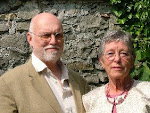
- Jon North
- I retired to Lunel in the Languedoc region of southern France with my wife Mary and our Norfolk Terrier Trudy in late 2006. I had worked in the British voluntary sector for 25 years. We are proud parents of 3 sons, and we have 3 grandchildren.
No comments:
Post a Comment